QRY / Field note
Understanding Shabu: The Complexities of Methamphetamine
Explore the complexities of shabu (methamphetamine), its effects, usage, and treatment options for addiction.
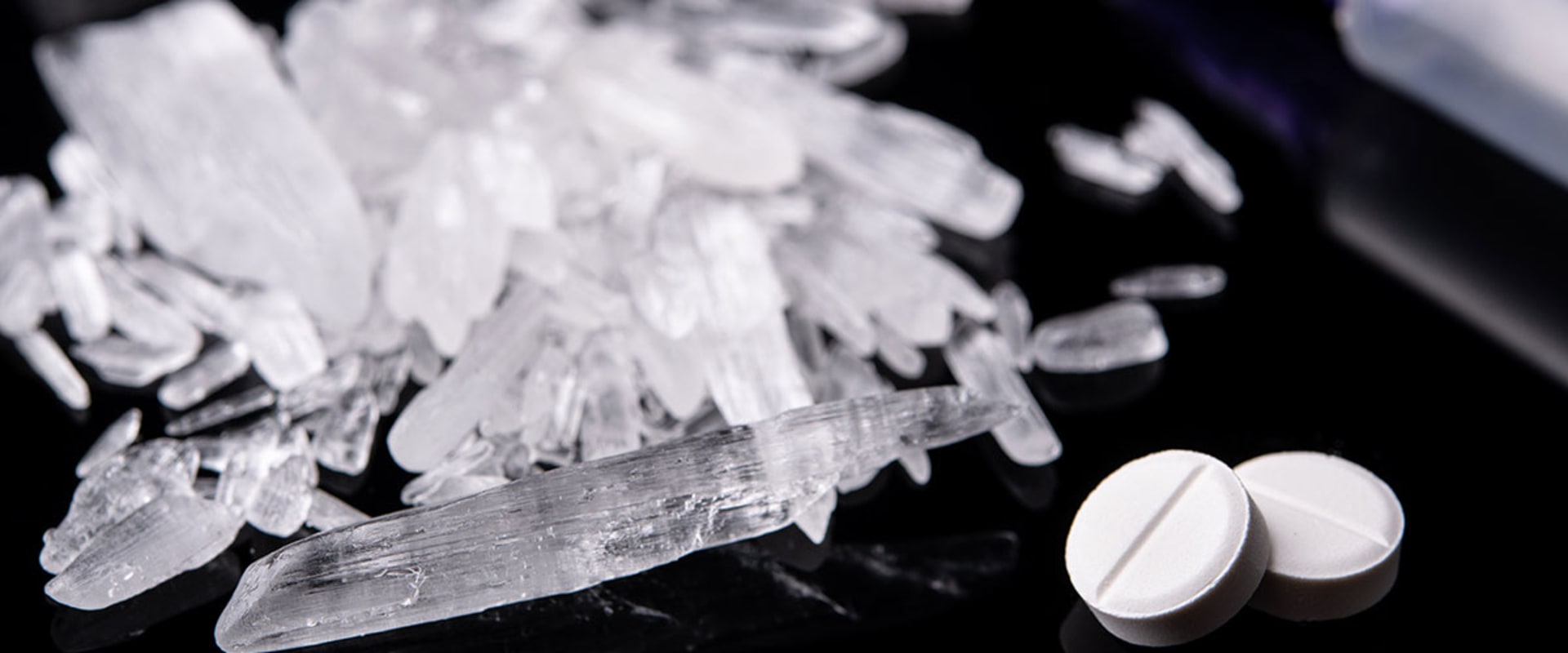
Methamphetamine, often referred to as shabu in various regions, is a potent central nervous system stimulant that has garnered significant attention due to its alarming effects on individuals and communities. This drug is typically encountered in the form of a white crystalline powder, which is both odorless and has a distinctly bitter taste. Its ability to dissolve easily in water or alcohol makes it particularly versatile for illicit use, contributing to its widespread abuse. Understanding methamphetamine is crucial, as it not only poses serious health risks but also has profound social implications. The effects of shabu are both immediate and intense, leading users to experience heightened energy levels, increased alertness, and an overwhelming sense of euphoria.
However, these pleasurable sensations are fleeting and often lead to a cycle of dependency. As users develop a tolerance, they find themselves needing larger doses to achieve the same effects, which significantly raises the risk of overdose. The psychological grip of shabu can be devastating; individuals may become consumed by their cravings, leading to severe mental health issues and social dysfunction. In many countries, particularly in Southeast Asia, shabu has become synonymous with drug addiction crises. The prevalence of methamphetamine use has surged, prompting urgent discussions about public health strategies and law enforcement responses.
The societal impact of shabu extends beyond individual users; families and communities bear the brunt of its destructive consequences. As we delve deeper into the complexities surrounding methamphetamine and its effects, it becomes evident that addressing this issue requires a multifaceted approach that encompasses education, prevention, and treatment.
What is Methamphetamine?
Methamphetamine, commonly referred to as meth, is a potent central nervous system stimulant that is chemically similar to amphetamine, a drug used to treat attention deficit hyperactivity disorder (ADHD) and narcolepsy. However, methamphetamine has a much stronger effect on the brain and body, making it highly addictive and dangerous. The chemical structure of methamphetamine is represented by the molecular formula C10H15N. It consists of a phenethylamine core with a methyl group attached to the nitrogen atom, which enhances its ability to cross the blood-brain barrier.This structural modification not only increases its potency but also contributes to its high potential for abuse. The presence of the methyl group allows methamphetamine to be more lipid-soluble than amphetamine, leading to faster and more intense effects when consumed. When methamphetamine enters the body, it is rapidly absorbed into the bloodstream and transported to the brain. There, it triggers the release of large amounts of dopamine, a neurotransmitter associated with pleasure and reward. This surge in dopamine levels produces intense feelings of euphoria, increased energy, and heightened alertness.
However, these effects are short-lived, often leading users to consume more of the drug in an attempt to prolong their high. The interaction of methamphetamine with the central nervous system can lead to various physiological and psychological effects. Users may experience:
- Increased wakefulness: Methamphetamine can keep individuals awake for extended periods, often leading to sleep deprivation.
- Enhanced physical activity: Many users report increased stamina and reduced fatigue.
- Euphoria: The intense pleasure experienced can create a strong psychological dependence on the drug.
- Heightened focus: Some users claim improved concentration and cognitive function.
The Different Forms of Methamphetamine
Methamphetamine exists in several forms, each with distinct characteristics and methods of use. Understanding these variations is crucial for recognizing the potential dangers and effects associated with this powerful stimulant. One of the most common forms of methamphetamine is crystalline methamphetamine , often referred to as shabu.This form appears as clear or white crystals that resemble shards of glass or ice. Shabu is particularly notorious in certain regions, such as Southeast Asia, where it has become a prevalent substance of abuse. Users often smoke shabu using a glass pipe, which allows for rapid absorption into the bloodstream, leading to an intense and immediate high. In addition to crystalline forms, methamphetamine can also be found in other formats:
- Pill form: Methamphetamine can be manufactured into pills, which may be ingested orally. This form is less common but can still be found on the illicit market.
- Powdered form: A less pure version of methamphetamine appears as a white powder.
This form can be snorted or dissolved in liquid for injection. The powdered variant is often mixed with other substances to increase profits for dealers.
- Base form: Known as "meth base," this form is less refined and can be sticky or oily. It is typically smoked or injected and produces effects similar to those of crystalline methamphetamine.
However, regardless of the form, all variations of methamphetamine carry a high risk of addiction and severe health consequences. When comparing shabu to other forms of methamphetamine, it is essential to note that its crystalline structure allows for more efficient delivery into the body, resulting in a more potent experience. This potency contributes to its popularity among users but also increases the likelihood of developing a dependency. In summary, recognizing the different forms of methamphetamine, particularly shabu, is vital for understanding its impact on individuals and communities. Each form presents unique challenges regarding addiction treatment and public health responses.
How Shabu is Used and Abused
Shabu, or methamphetamine, is commonly used in various ways, each method carrying its own risks and implications for addiction. Understanding these methods is crucial for recognizing patterns of abuse and the signs of addiction.Common Methods of Use
- Smoking: One of the most prevalent methods, smoking shabu involves inhaling the vapor produced when the crystalline form is heated.
This method allows for rapid absorption into the bloodstream, leading to an intense and immediate high.
- Injecting: Some users choose to inject shabu directly into their veins. This method provides an even more potent effect due to the drug's direct entry into the bloodstream, but it also significantly increases the risk of overdose and transmission of infectious diseases.
- Snorting: Snorting shabu involves crushing the crystals into a fine powder and inhaling it through the nose. This method also leads to a quick onset of effects but can cause severe damage to nasal passages over time.
- Oral Consumption: Although less common, some users may ingest shabu in pill form or dissolve it in liquid. This method results in a slower onset of effects compared to smoking or injecting.
Signs of Addiction
Recognizing the signs of shabu addiction is essential for early intervention.
Common indicators include:
- Increased Tolerance: Users may find that they need larger doses to achieve the same effects, indicating a growing dependence on the drug.
- Withdrawal Symptoms: When not using shabu, individuals may experience anxiety, fatigue, depression, and intense cravings.
- Neglecting Responsibilities: A noticeable decline in work performance, academic achievement, or personal relationships can signal addiction.
- Changes in Behavior: Users may exhibit erratic behavior, increased secrecy, or withdrawal from social circles as their focus shifts towards obtaining and using shabu.
Immediate Effects of Shabu Use
The effects of shabu use can be both exhilarating and dangerous. Users often report feelings of euphoria, increased energy, and heightened alertness shortly after consumption. However, these effects are often accompanied by negative consequences such as:
- Increased Heart Rate: Shabu stimulates the cardiovascular system, leading to elevated heart rates that can pose serious health risks.
- Anxiety and Paranoia: While some users may initially feel euphoric, prolonged use can lead to anxiety attacks and paranoid thoughts.
- Lack of Appetite: Shabu suppresses hunger, which can lead to significant weight loss and nutritional deficiencies over time.
The Effects of Shabu on the Body and Mind
Shabu, or methamphetamine, exerts profound effects on both the body and mind, leading to a range of short-term and long-term health consequences.Understanding these effects is crucial for recognizing the dangers associated with its use.
Short-Term Effects
Upon consumption, shabu produces immediate effects that can be both enticing and dangerous. Users often experience:- Increased Energy: Shabu stimulates the central nervous system, leading to heightened alertness and energy levels.
- Euphoria: The drug triggers the release of dopamine, creating intense feelings of pleasure and well-being.
- Decreased Appetite: Many users report a significant reduction in hunger, which can lead to unhealthy weight loss.
- Increased Heart Rate: Shabu can cause rapid heartbeats and elevated blood pressure, posing risks for cardiovascular health.
- Insomnia: The stimulating effects can disrupt sleep patterns, leading to prolonged periods of wakefulness.
Long-Term Effects
The long-term use of shabu can lead to severe health complications that affect both physical and mental well-being. Some of these effects include:- Addiction: Prolonged use often results in a strong psychological dependence, making it difficult for users to quit without professional help.
- Cognitive Decline: Chronic use can impair memory, decision-making abilities, and overall cognitive function.
- Mental Health Issues: Users may experience anxiety, paranoia, hallucinations, and other severe psychological disorders.
- Physical Health Deterioration: Long-term users may suffer from dental problems (often referred to as "meth mouth"), skin sores, and significant weight loss due to malnutrition.
- Cardiovascular Problems: The risk of heart disease increases with prolonged use due to sustained high blood pressure and heart rate.
The euphoric highs are frequently followed by debilitating lows, leading to a rollercoaster of emotional instability. In conclusion, the effects of shabu on the body and mind are extensive and alarming. Both short-term and long-term consequences highlight the urgent need for awareness and intervention regarding methamphetamine use.
The Rise of Shabu Use in Different Regions
The prevalence of shabu use has surged dramatically in various regions, with the Philippines experiencing one of the most alarming increases. According to recent statistics, methamphetamine abuse has become a significant public health crisis in the country, affecting millions of individuals and their families. In the Philippines, the Dangerous Drugs Board reported that approximately 1.67 million Filipinos were using methamphetamine as of 2020. This figure represents a staggering rise from previous years, highlighting the urgent need for effective intervention strategies.The drug's accessibility and low cost contribute to its widespread use, making it particularly appealing to marginalized communities. Globally, the trends surrounding methamphetamine use are equally concerning. Reports from the United Nations Office on Drugs and Crime (UNODC) indicate that methamphetamine seizures have increased significantly across Asia, North America, and parts of Europe. In 2019 alone, over 1,000 metric tons of methamphetamine were seized worldwide, underscoring the drug's rampant distribution networks. In addition to its physical toll, shabu use has profound social implications. Communities grappling with high rates of addiction often face increased crime rates, family disintegration, and economic instability.
The stigma associated with drug use further complicates recovery efforts, as many individuals are reluctant to seek help due to fear of judgment. Statistics reveal that drug abuse is not limited to any specific demographic; it affects people across all ages and backgrounds. A survey conducted by the Philippine Statistics Authority indicated that young adults aged 18-24 are particularly vulnerable to methamphetamine addiction, with many reporting their first use during adolescence. As governments and organizations work to combat this growing epidemic, it is crucial to understand the multifaceted nature of shabu use. Addressing the root causes of addiction—such as poverty, lack of education, and mental health issues—will be essential in curbing its rise and supporting those affected by this devastating drug.
Treatment Options for Methamphetamine Addiction
Overcoming methamphetamine addiction, commonly referred to as shabu addiction, is a challenging journey that requires comprehensive treatment and support. Fortunately, various treatment options are available to assist individuals in their recovery process.1.Behavioral Therapies
- Cognitive Behavioral Therapy (CBT): This therapy helps individuals recognize and change negative thought patterns and behaviors associated with drug use.
CBT equips users with coping strategies to handle triggers and cravings.
- Contingency Management: This approach provides tangible rewards for positive behaviors, such as staying drug-free. It reinforces the commitment to recovery by offering incentives for achieving specific goals.
- Motivational Interviewing: This client-centered counseling style enhances an individual’s motivation to change by exploring their ambivalence towards quitting methamphetamine.
2.Support Groups
Support groups play a crucial role in recovery from shabu addiction. They provide a safe space for individuals to share their experiences, challenges, and successes. Some notable support groups include:
- Narcotics Anonymous (NA): A global fellowship of individuals recovering from drug addiction, NA offers a 12-step program that emphasizes personal accountability and community support.
- SMART Recovery: This program focuses on self-empowerment and teaches practical skills for managing addiction through a science-based approach.
3.Medical Treatment
While there are currently no FDA-approved medications specifically for treating methamphetamine addiction, some medications may help manage withdrawal symptoms and cravings.
Healthcare providers may prescribe:
- Antidepressants: These can help alleviate symptoms of depression that often accompany withdrawal.
- Anti-anxiety medications: These may be used temporarily to help manage anxiety during the early stages of recovery.
4.Inpatient and Outpatient Programs
Depending on the severity of the addiction, individuals may benefit from either inpatient or outpatient treatment programs:
- Inpatient Treatment: This intensive program requires individuals to stay at a treatment facility where they receive round-the-clock care and support.
- Outpatient Treatment: This option allows individuals to attend therapy sessions while living at home, providing flexibility for those who may have work or family commitments.
Legal Status and Regulation of Methamphetamine
The legal status of methamphetamine, commonly known as shabu, varies significantly across different countries and regions. In the United States, methamphetamine is classified as a Schedule II controlled substance under the Controlled Substances Act. This classification indicates that while it has recognized medical uses, such as in the treatment of attention deficit hyperactivity disorder (ADHD) and certain cases of obesity, its potential for abuse and addiction is high.As a result, the production, distribution, and possession of methamphetamine are strictly regulated. In many countries, including the Philippines, shabu is illegal and is considered one of the most serious drug problems facing society. The Philippine government has implemented stringent laws aimed at combating the production and distribution of methamphetamine. These laws include severe penalties for possession, trafficking, and manufacturing of shabu. The Anti-Drug Abuse Act of 2002 in the Philippines outlines harsh penalties for those caught with methamphetamine, reflecting the government's commitment to addressing the drug crisis. Regulation of stimulants like methamphetamine often involves a multi-faceted approach that includes law enforcement, public health initiatives, and educational campaigns.
Governments aim to reduce the availability of shabu through crackdowns on illegal laboratories and trafficking networks. Additionally, public awareness campaigns are crucial in informing communities about the dangers associated with methamphetamine use. Despite these efforts, the illegal market for shabu continues to thrive due to high demand and the drug's addictive properties. This ongoing challenge highlights the need for comprehensive strategies that not only focus on law enforcement but also on prevention and rehabilitation programs for those affected by addiction. In summary, understanding the legal implications surrounding methamphetamine is essential for effective prevention efforts. By recognizing its classification as a controlled substance and the associated legal consequences, individuals can better appreciate the risks involved with its use and distribution.
Frequently Asked Questions about Shabu and Methamphetamine
Understanding the complexities surrounding shabu and methamphetamine is crucial for dispelling myths and addressing common concerns.Below are some frequently asked questions that can help clarify misconceptions and provide valuable information.
What is the difference between shabu and methamphetamine?
Shabu is a colloquial term primarily used in the Philippines to refer to methamphetamine hydrochloride, a potent form of methamphetamine. While both terms refer to the same substance, "shabu" often carries cultural connotations and is associated with specific patterns of use in certain regions.Is methamphetamine always illegal?
Methamphetamine is classified as a Schedule II controlled substance in the United States, meaning it has limited medical uses but is highly regulated due to its potential for abuse. While there are legal forms of methamphetamine prescribed for conditions like ADHD and obesity, the illicit production and distribution of shabu are illegal and pose significant health risks.What are the common myths about shabu?
- Myth: Shabu can be used safely in small amounts.
- Fact: Even small doses can lead to addiction and severe health consequences.
- Myth: Methamphetamine only affects the user’s physical health.
- Fact: It also severely impacts mental health, leading to anxiety, paranoia, and hallucinations.
- Myth: Shabu can enhance performance without risks.
- Fact: While it may temporarily increase energy, it ultimately leads to physical and mental decline.
How does methamphetamine affect the brain?
Methamphetamine increases the release of dopamine, a neurotransmitter associated with pleasure and reward. This surge creates intense feelings of euphoria but also leads to significant changes in brain function over time.Chronic use can result in long-lasting alterations in mood, behavior, and cognitive abilities.
What should I do if I or someone I know is using shabu?
If you or someone you know is struggling with methamphetamine use, seeking professional help is essential. Treatment options include counseling, support groups, and rehabilitation programs designed to address both the physical and psychological aspects of addiction. By addressing these questions and misconceptions, we can foster a better understanding of shabu and methamphetamine, ultimately aiding in prevention and recovery efforts.Conclusion: The Importance of Awareness and Education on Shabu Use
In conclusion, understanding the complexities surrounding shabu, or methamphetamine, is crucial for fostering a society that is informed and equipped to combat the challenges posed by this potent stimulant. Throughout this article, we have explored the nature of methamphetamine, its effects on the body and mind, and the alarming trends in its use, particularly in regions where it has become a significant public health issue. The addictive properties of shabu are not merely a personal concern; they extend to families, communities, and entire nations. As we have seen, the drug's ability to create intense cravings and dependency can lead to devastating consequences for users and their loved ones.This highlights the urgent need for comprehensive education on the risks associated with methamphetamine use. Moreover, awareness campaigns play a pivotal role in prevention. By disseminating accurate information about the dangers of shabu, we can empower individuals to make informed choices. Educational programs should focus on:
- Understanding Addiction: Teaching about how methamphetamine alters brain chemistry and leads to addiction.
- Recognizing Signs: Helping individuals identify early signs of methamphetamine use in themselves or others.
- Promoting Healthy Alternatives: Encouraging activities and lifestyles that reduce the allure of drug use.
- Providing Resources: Offering information on treatment options and support systems available for those struggling with addiction.
By fostering open dialogues about drug use and its consequences, we can dismantle the stigma that often prevents individuals from seeking help. Ultimately, combating shabu use requires a multifaceted approach that combines education, community support, and accessible treatment options. As we move forward, let us prioritize awareness initiatives that not only inform but also inspire change. Together, we can work towards a future where the dangers of methamphetamine are recognized and addressed effectively.