QRY / Field note
Exploring the Origins and Cultural Significance of Shabu: Japanese or Korean?
Discover the cultural significance of shabu-shabu, its origins in Japan, and how it has evolved in Korean cuisine. Learn more about this hot pot dish.
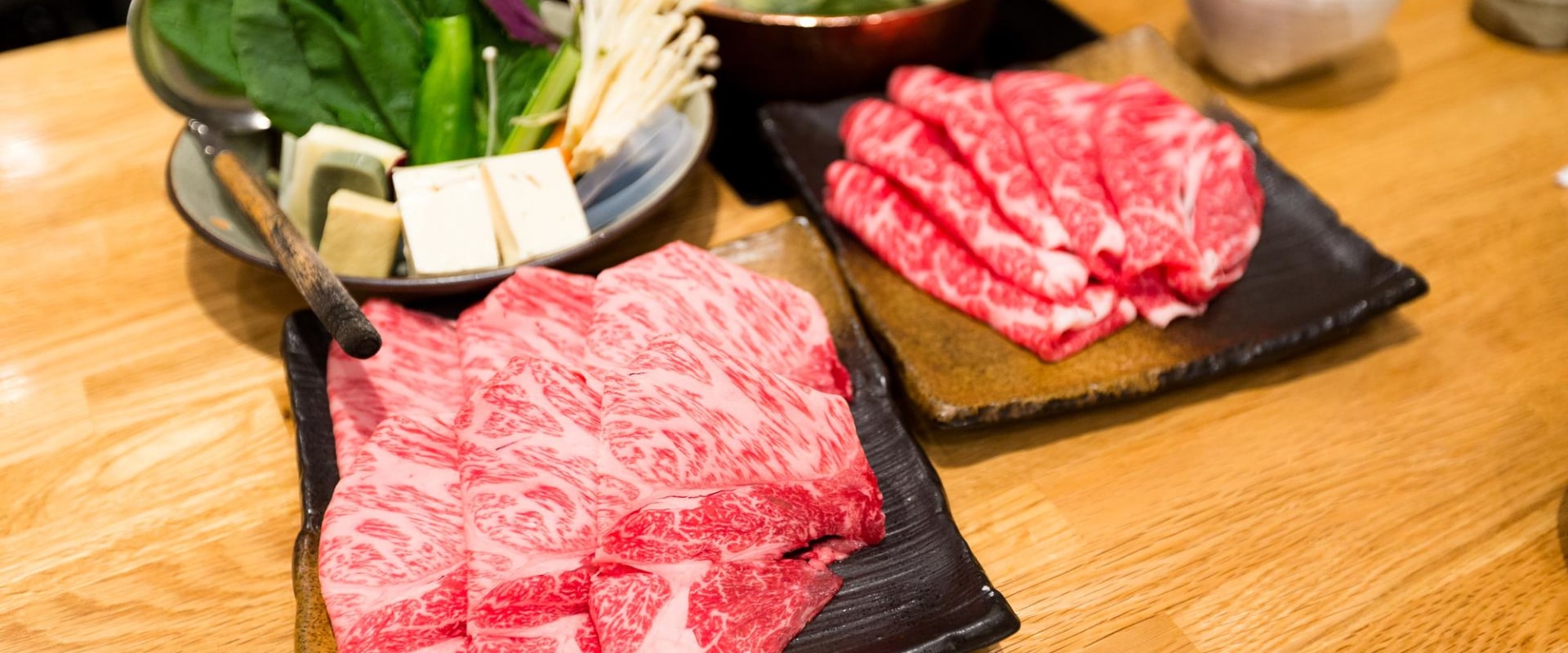
Shabu, a term that resonates with culinary enthusiasts, is more than just a dish; it embodies a rich tapestry of cultural significance in both Japan and Korea. Originating from Japan, shabu-shabu is a hot pot dish that features thinly sliced meat and an array of fresh vegetables, all cooked in a bubbling pot of broth. The name itself is derived from the sound made when the ingredients are swirled in the pot, creating an auditory experience that complements the meal. This unique cooking method not only emphasizes the freshness of the ingredients but also fosters a communal dining experience, where friends and family gather around the table to cook and enjoy their food together. The history of shabu-shabu can be traced back to the mid-20th century, when it was popularized in Osaka.
However, its roots can be linked to traditional Chinese hot pot dishes, which have been enjoyed for centuries. As shabu-shabu evolved, it became a staple in Japanese cuisine, celebrated for its simplicity and the quality of its ingredients. The dish's cultural relevance extends beyond mere sustenance; it represents a way of life that values togetherness and shared experiences. In Japan, shabu-shabu is often served during special occasions and gatherings, symbolizing warmth and hospitality. In Korea, shabu-shabu has found its own identity, blending traditional Korean flavors with Japanese techniques.
The Korean version often incorporates spicy elements and diverse dipping sauces, reflecting the local palate. This fusion highlights how culinary practices can transcend borders while still maintaining their unique characteristics. As we delve deeper into the origins and variations of shabu-shabu, we will uncover how this beloved dish continues to evolve and adapt within different cultural contexts.
The Origins of Shabu: A Japanese Perspective
The culinary journey of shabu-shabu in Japan is a fascinating tale that intertwines tradition, innovation, and cultural exchange. This dish, characterized by its method of cooking thinly sliced meat and vegetables in a bubbling pot of broth, has roots that can be traced back to the mid-20th century.While the concept of cooking in a communal pot is ancient, shabu-shabu as we know it today emerged in the 1950s. Shabu-shabu's origins are often linked to the post-World War II era when Japan was undergoing significant social and economic changes. The dish is believed to have been inspired by the Chinese hot pot, which had been introduced to Japan earlier. However, shabu-shabu distinguished itself by emphasizing high-quality ingredients and a unique cooking style that allows diners to participate actively in their meal preparation. In traditional Japanese cuisine, the focus is on seasonal ingredients and the natural flavors of food. Shabu-shabu embodies this philosophy by using fresh, thinly sliced meats—most commonly beef—and a variety of vegetables such as napa cabbage, shiitake mushrooms, and tofu.
The simplicity of the dish allows the quality of the ingredients to shine through, making it a favorite among those who appreciate authentic Japanese flavors. As shabu-shabu gained popularity, it became a staple in Japanese dining culture. It is often enjoyed during special occasions and gatherings, where friends and family come together to share not just a meal but an experience. The act of cooking at the table fosters a sense of community and connection, which is deeply valued in Japanese society. Today, shabu-shabu is celebrated not only in Japan but also around the world. Its adaptability has led to various interpretations, including Korean versions that incorporate different spices and ingredients.
However, at its core, shabu-shabu remains a testament to Japan's rich culinary heritage and its ability to evolve while honoring tradition. In conclusion, understanding the origins of shabu-shabu provides insight into its significance within Japanese cuisine. It reflects a harmonious blend of history, culture, and gastronomy that continues to captivate food lovers globally.
Shabu in Korean Cuisine: A Unique Adaptation
The adaptation of shabu in Korean cuisine, often referred to as shabu-shabu, showcases a fascinating blend of cultural influences and culinary creativity. While the Japanese version emphasizes simplicity and the quality of ingredients, the Korean interpretation introduces a variety of flavors and textures that reflect Korea's rich culinary heritage. In Korea, shabu-shabu is typically prepared with a wider array of ingredients compared to its Japanese counterpart. While thinly sliced beef remains a staple, Koreans often incorporate other meats such as pork and seafood, enhancing the dish's diversity.Additionally, the use of vibrant vegetables like mushrooms, spinach, and korean radish adds both color and nutrition to the meal.
Differences in Preparation
- Broth Variations: In Korea, the broth can be seasoned with various spices and sauces, including gochujang (Korean chili paste) or doenjang (fermented soybean paste), which impart a deeper flavor profile. This contrasts with the more straightforward dashi broth commonly used in Japan.
- Dipping Sauces: Korean shabu-shabu often features an array of dipping sauces, such as sesame oil mixed with salt or spicy sauces that enhance the overall taste experience. These sauces are typically more robust than the soy-based sauces favored in Japan.
- Cooking Style: While both cuisines allow diners to cook their ingredients at the table, Korean shabu-shabu may involve a more communal approach, where larger portions are cooked together in a shared pot, fostering a sense of togetherness.
Cultural Significance
The cultural significance of shabu in Korea extends beyond mere sustenance; it embodies social interaction and communal dining. Sharing a pot of shabu-shabu encourages conversation and bonding among family and friends, making it a popular choice for gatherings and celebrations.
This communal aspect is deeply rooted in Korean culture, where meals are often seen as an opportunity to connect with loved ones. In conclusion, while shabu-shabu originated in Japan, its adaptation in Korean cuisine highlights the unique flavors and social customs that define Korean dining. The differences in preparation methods, ingredient choices, and cultural significance not only enrich the dish but also reflect the broader culinary landscape of Korea.
Comparing Shabu and Sukiyaki: Understanding the Differences
When exploring the rich tapestry of Japanese cuisine, two dishes often come to the forefront: shabu-shabu and sukiyaki. While both are beloved hot pot dishes that feature thinly sliced meat and vegetables, they differ significantly in terms of ingredients, cooking methods, and overall flavor profiles.Cooking Method
- Shabu-shabu : This dish is characterized by its unique cooking style. Diners cook their ingredients in a pot of boiling water or broth at the table.
The term "shabu-shabu" itself is derived from the sound made when the ingredients are swished back and forth in the pot. This method allows for a quick cooking time, ensuring that the meat remains tender and the vegetables retain their crispness.
- Sukiyaki : In contrast, sukiyaki is typically prepared in a shallow iron pot with a mixture of soy sauce, sugar, and mirin. The ingredients are simmered together, allowing them to absorb the rich flavors of the broth. Sukiyaki is often served with a raw egg for dipping, which adds a creamy texture to each bite.
Ingredients
- Shabu-shabu : The primary focus is on high-quality meats such as beef or pork, often accompanied by an array of fresh vegetables like napa cabbage, mushrooms, and tofu.
The simplicity of the ingredients allows the natural flavors to shine through.
- Sukiyaki : This dish features similar proteins but incorporates a more complex flavor profile due to its sweet and savory broth. Common ingredients include sliced beef, tofu, shirataki noodles, and seasonal vegetables like green onions and mushrooms.
Flavor Profile
- Shabu-shabu : The flavor is generally lighter and more delicate, emphasizing the freshness of the ingredients. Dipping sauces such as ponzu or sesame sauce are often used to enhance the taste.
- Sukiyaki : The flavor is richer and more robust due to the sweet soy-based broth. The combination of sweet and savory elements creates a comforting dish that is particularly popular during colder months.
Understanding these distinctions can enhance your appreciation for these iconic Japanese dishes.
Ingredients Commonly Used in Shabu
Shabu-shabu is not just a meal; it’s an experience that revolves around the quality and variety of its ingredients. The choice of ingredients plays a crucial role in defining the flavor profile and overall enjoyment of this beloved hot pot dish. Below, we explore the essential components that make up a traditional shabu-shabu meal.Meats
- Beef: The star of shabu-shabu is typically thinly sliced beef, often from high-quality cuts such as ribeye or sirloin. The marbling in these cuts enhances the flavor and tenderness when cooked in the hot broth.
- Pork: Another popular option is pork, particularly cuts like Berkshire kurobuta, known for its rich flavor and juiciness.
Thin slices allow for quick cooking, ensuring a tender bite.
- Chicken: For those who prefer poultry, thinly sliced chicken breast or thigh can be used. It absorbs the broth's flavors beautifully while remaining moist.
- Seafood: Shrimp, scallops, and fish such as salmon or whitefish are also common additions. They provide a different texture and taste, complementing the meat options.
Vegetables
- Napa Cabbage: This leafy vegetable is a staple in shabu-shabu. Its mild flavor and crunchy texture make it an excellent addition to the pot.
- Shiitake Mushrooms: These mushrooms add an earthy flavor and meaty texture, enhancing the overall umami profile of the dish.
- Carrots: Sliced into thin rounds or decorative shapes, carrots add sweetness and color to the pot.
- Daikon Radish: Known for its crispness and subtle peppery flavor, daikon is often used in shabu-shabu for added crunch.
- Tofu: Soft or firm tofu provides a protein-rich option that soaks up the broth's flavors while adding creaminess to each bite.
Broths
The broth is the heart of shabu-shabu, serving as both a cooking medium and a flavorful base.Common types include:
- Plain Water: Some purists prefer using plain water to let the natural flavors of the ingredients shine through.
- Dashi Broth: A traditional Japanese broth made from kombu (seaweed) and bonito flakes, dashi adds depth and umami to the dish.
- Miso Broth: For those who enjoy a richer flavor, miso-based broths can be used, providing a savory kick that complements the ingredients well.
How to Enjoy Shabu: Cooking Techniques and Etiquette
Enjoying shabu-shabu is not just about the delicious ingredients; it’s also about the experience of cooking and sharing a meal with others. Here’s a comprehensive guide on how to properly enjoy shabu-shabu, focusing on cooking techniques and dining etiquette that will elevate your meal.Cooking Techniques
Shabu-shabu is unique in that it allows diners to cook their food right at the table. Here are some essential techniques to master:- Preparation of Ingredients: Start by preparing your ingredients.
Thinly sliced meats, fresh vegetables, and tofu should be arranged neatly on platters. This not only makes for an appealing presentation but also allows for easy access during cooking.
- Heating the Broth: Fill a pot with water or broth and bring it to a gentle boil. The broth can be flavored with ingredients like kombu (seaweed) or dashi for added depth. Ensure the broth is bubbling before adding any ingredients.
- Cooking Method: Using chopsticks or a slotted spoon, dip the slices of meat into the boiling broth.
The key is to cook them quickly—just a few seconds—until they change color. This method preserves the tenderness and flavor of the meat.
- Vegetable Cooking: Add vegetables to the pot after the meat has been cooked. Leafy greens, mushrooms, and root vegetables can be cooked until tender but should not be overcooked to maintain their texture and nutrients.
Dining Etiquette
Shabu-shabu is as much about social interaction as it is about food. Here are some etiquette tips to enhance your dining experience:- Sharing is Caring: Shabu-shabu is typically enjoyed in groups.
Encourage everyone at the table to participate in cooking and sharing ingredients. This communal aspect fosters a sense of togetherness.
- Use Separate Utensils: When cooking, use separate utensils for raw and cooked foods to avoid cross-contamination. This practice ensures food safety and maintains hygiene.
- Dipping Sauces: After cooking, dip your meat and vegetables into sauces like ponzu or sesame sauce for added flavor. Each diner can customize their dipping sauce according to their taste preferences.
- Pacing Yourself: Enjoy the meal at a leisurely pace.
Shabu-shabu is meant to be savored, so take your time cooking each bite and enjoying conversations with your dining companions.
Popular Variations of Shabu Around the World
Shabu-shabu, while rooted in Japanese culinary tradition, has inspired a variety of adaptations around the globe. Each culture that embraces this dish brings its unique flavors and ingredients, resulting in a delightful fusion of tastes. Here are some popular variations of shabu found in different countries:- Korean Shabu Shabu: In Korea, shabu-shabu has been adapted to include a wider array of ingredients and flavors. Korean versions often feature a spicy broth infused with gochujang (Korean chili paste) or kimchi, adding a distinct kick to the dish.
Diners can enjoy a variety of meats, including beef, pork, and seafood, along with an assortment of vegetables like mushrooms, zucchini, and leafy greens.
- Chinese Hot Pot: The Chinese hot pot is perhaps the closest relative to shabu-shabu. While it shares the same cooking method of boiling ingredients in broth, Chinese hot pot offers a broader selection of broths ranging from mild to extremely spicy. Ingredients can include everything from thinly sliced meats to fish balls and an extensive variety of vegetables and noodles. The communal aspect of hot pot dining is also emphasized in China, where friends and family gather around the pot to cook together.
- Thai Sukiyaki: In Thailand, sukiyaki is a popular dish that bears similarities to shabu-shabu.
It typically features a sweet and savory broth made from soy sauce, sugar, and sesame oil. Diners can cook various ingredients such as beef, tofu, and vegetables in the broth. The addition of Thai herbs and spices gives sukiyaki its unique flavor profile.
- Vietnamese Lẩu: The Vietnamese version of hot pot, known as lẩu, incorporates fresh herbs and spices that are characteristic of Vietnamese cuisine. Broths can be flavored with lemongrass, ginger, and chili peppers.
Lẩu often includes seafood, beef, or chicken along with an array of vegetables and rice noodles.
Frequently Asked Questions About Shabu
Shabu-shabu, a beloved hot pot dish, often raises questions among those unfamiliar with its origins and preparation. Here, we address some of the most frequently asked questions to clarify common misconceptions and provide a deeper understanding of this delightful culinary experience.- What is shabu-shabu?
Shabu-shabu is a Japanese hot pot dish that features thinly sliced meat, typically beef, cooked quickly in a pot of boiling broth. Diners dip the meat and vegetables into the broth, allowing them to cook to their desired level of doneness.The name "shabu-shabu" is derived from the sound made when the ingredients are swirled in the pot.
- Is shabu-shabu Japanese or Korean?
While shabu-shabu originated in Japan, it has gained immense popularity in Korea, where it is often enjoyed with a variety of dipping sauces and side dishes. The Korean version may incorporate different ingredients and flavors, but the fundamental concept remains the same. - What types of meat can be used in shabu-shabu?
Traditionally, shabu-shabu uses thinly sliced beef, but other meats such as pork, lamb, and even seafood can be included. The key is to ensure that the meat is sliced thinly enough to cook quickly in the hot broth. - What vegetables are typically included?
Common vegetables used in shabu-shabu include napa cabbage, mushrooms, carrots, and tofu. These ingredients not only add flavor but also enhance the nutritional value of the meal. - How do you eat shabu-shabu?
Diners typically cook their ingredients in the broth and then dip them into a sauce before eating.Popular dipping sauces include ponzu (a citrus-based sauce) and sesame sauce. It’s a communal dining experience that encourages sharing and interaction.
- Are there any health benefits to eating shabu-shabu?
Yes! Shabu-shabu can be a healthy meal option as it emphasizes fresh ingredients and lean proteins. The quick cooking method helps retain nutrients in vegetables while allowing diners to control portion sizes.
Conclusion: The Cultural Fusion of Shabu in Japan and Korea
In conclusion, the culinary journey of shabu serves as a remarkable testament to the cultural exchange between Japan and Korea.While its origins can be traced back to Japan, where it has evolved into a beloved dish characterized by its interactive dining experience, the Korean adaptation has infused new flavors and styles that reflect the rich culinary traditions of both nations. The essence of shabu lies not only in its ingredients but also in the communal aspect of cooking and sharing a meal. This shared experience fosters connections among family and friends, making it a cherished tradition in both cultures. In Japan, shabu-shabu is often enjoyed during special occasions or gatherings, highlighting its significance as a dish that brings people together. Similarly, in Korea, the dish has been embraced and adapted, showcasing the versatility of hot pot cuisine. As we explored throughout this article, the differences between Japanese shabu-shabu and its Korean counterpart are notable yet complementary.
The Japanese version emphasizes simplicity and quality of ingredients, often featuring premium cuts of meat like A-5 wagyu beef. In contrast, the Korean interpretation introduces a variety of spices and side dishes that enhance the overall flavor profile, making it a vibrant addition to Korean dining culture. Moreover, the popularity of shabu in both countries has led to an increase in fusion restaurants that blend elements from each culinary tradition. These establishments not only celebrate the original dishes but also innovate by creating unique combinations that appeal to diverse palates. Ultimately, shabu represents more than just a meal; it embodies a cultural fusion that highlights the shared history and mutual appreciation between Japan and Korea. As food continues to evolve and adapt across borders, shabu stands as a delicious reminder of how culinary practices can unite people through shared experiences and flavors.