QRY / Field note
The Origins and Evolution of Shabu Shabu: A Culinary Journey
Explore the rich history and cultural significance of shabu shabu, a beloved Japanese hot pot dish with roots in Chinese cuisine.
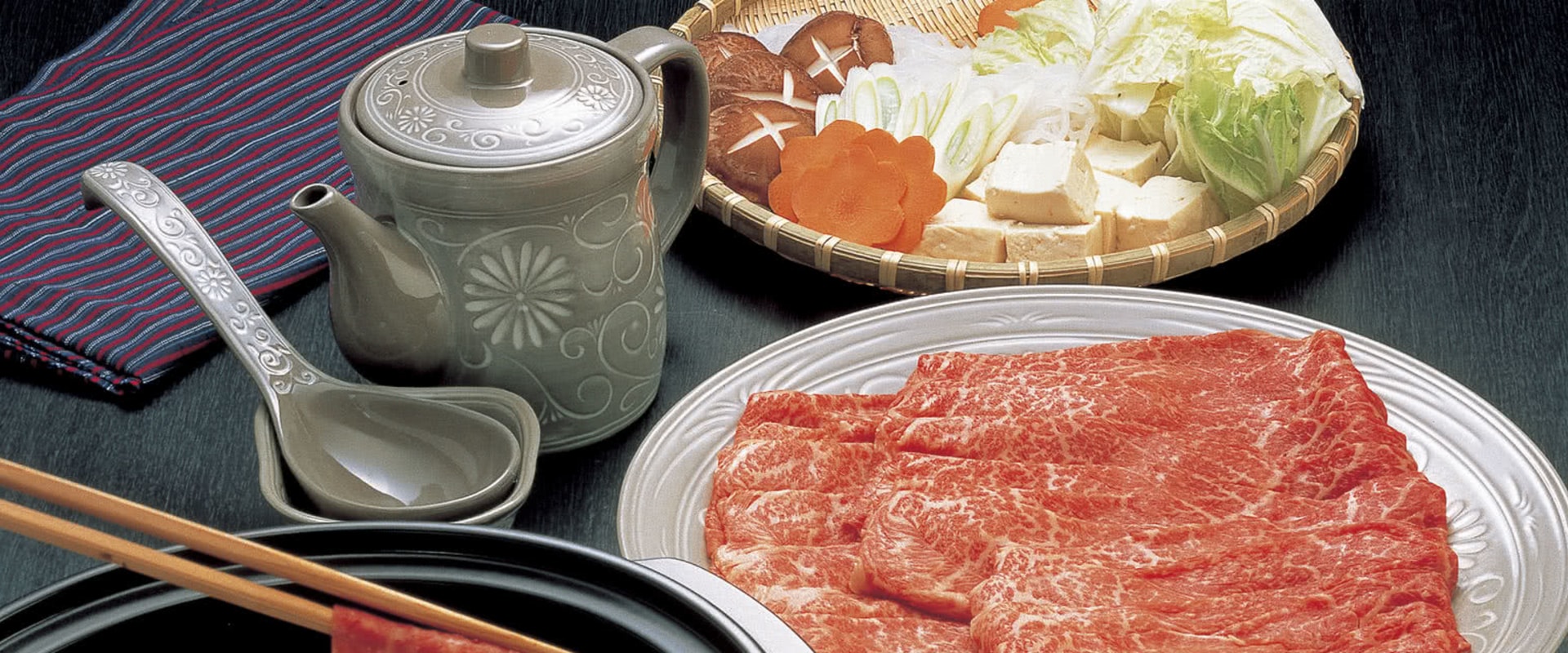
Shabu shabu is more than just a dish; it is a culinary experience that embodies the essence of Japanese dining culture. This unique style of hot pot cooking invites diners to engage in a communal meal, where fresh ingredients are cooked right at the table, creating an interactive and enjoyable atmosphere. The name "shabu shabu" itself is derived from the sound made when the ingredients are swished in the simmering broth, reflecting the dish's playful nature and its emphasis on freshness. Originating from the rich tapestry of Asian cuisine, shabu shabu has its roots in Chinese hot pot traditions, particularly the Mongolian lamb hot pot known as shuan yang rou. However, it was in Japan that this dish evolved into its current form, gaining popularity in the mid-20th century.
The introduction of shabu shabu to Japan is attributed to a doctor who encountered this delightful cooking method during his time in Beijing. Upon returning to Japan, he sought to replicate the experience, leading to the establishment of the first shabu shabu restaurant in Osaka. As shabu shabu spread across Japan, it became a beloved staple, often enjoyed during family gatherings and celebrations. The dish typically features thinly sliced meats—most commonly beef—alongside an array of vegetables and tofu, all cooked in a flavorful broth. This not only highlights the quality of the ingredients but also allows for a customizable dining experience where each person can tailor their meal to their preferences.
Today, shabu shabu is celebrated not only in Japan but also in various parts of the world, particularly in areas with significant Japanese communities. In exploring the origins and history of shabu shabu, one uncovers a fascinating journey that reflects cultural exchanges and adaptations over time. From its humble beginnings to its status as a cherished dish in Japanese cuisine, shabu shabu continues to captivate food lovers with its simplicity and depth of flavor.
The Historical Roots of Hot Pot Cuisine
The history of hot pot cuisine is a rich tapestry that weaves together various cultural influences and culinary traditions across Asia. Its origins can be traced back to ancient China, where communal dining was not just a meal but a social event that fostered connections among family and friends. Hot pot, known as huo guo (火锅) in Mandarin, literally translates to "fire pot." This name reflects the cooking method that involves simmering ingredients in a pot of broth over an open flame. The earliest records of hot pot date back to the Han Dynasty (206 BC – 220 AD), where it was primarily enjoyed by the nomadic tribes in northern China.These tribes would cook meat in a simple broth, utilizing the resources available in their environment. As time progressed, hot pot evolved significantly through various Chinese dynasties. During the Qing Dynasty (1644-1912), hot pot gained immense popularity among the imperial court and the elite. It became a symbol of luxury and sophistication, often served during grand banquets and celebrations. The Qing emperors favored elaborate versions of hot pot that included a variety of meats, seafood, and vegetables, showcasing the culinary artistry of the time. The spread of hot pot beyond China began with trade and migration.
As Chinese merchants traveled to neighboring countries such as Vietnam , Thailand , and Cambodia , they introduced their culinary traditions, including hot pot. Each region adapted the dish to incorporate local ingredients and flavors, leading to unique variations that reflect their cultural heritage. In Japan, for instance, hot pot was introduced in the early 20th century, evolving into what is now known as shabu shabu. This adaptation emphasizes fresh ingredients cooked at the table, allowing diners to enjoy a more interactive dining experience. Similarly, Korean hot pot, or jeongol , features a rich array of ingredients cooked in a flavorful broth, often accompanied by an assortment of side dishes. The enduring appeal of hot pot lies in its versatility and communal nature.
It encourages sharing and interaction among diners, making it a popular choice for gatherings and celebrations across Asia. Today, hot pot continues to evolve, with modern interpretations incorporating diverse ingredients and innovative cooking techniques while still honoring its historical roots.
Shabu Shabu: A Japanese Interpretation of Hot Pot
Shabu shabu, a delightful and interactive dining experience, has its roots deeply embedded in the culinary traditions of Japan. This unique style of hot pot is not merely a dish; it represents a cultural adaptation that showcases the Japanese flair for refinement and presentation. The term "shabu shabu" itself is derived from the sound made when the ingredients are swished in the simmering broth, emphasizing the dish's focus on fresh, high-quality ingredients. The introduction of shabu shabu to Japan can be traced back to the mid-20th century, specifically during the post-World War II era.A pivotal moment occurred when a Japanese army surgeon, stationed in Beijing, encountered a traditional Mongolian hot pot known as shuan yang rou. Captivated by this communal style of cooking, he brought the concept back to Japan, where it was adapted to fit local tastes and preferences. In 1952, the Suehiro restaurant in Osaka became the first establishment to officially serve shabu shabu. The restaurant's owner sought a name that would resonate with diners, ultimately choosing "shabu shabu" after being inspired by the sound of washing towels. This clever naming not only captured the essence of the dish but also marked the beginning of its popularity across Japan. What sets shabu shabu apart from other Japanese hot pot dishes, such as sukiyaki, is its emphasis on simplicity and freshness.
In a typical shabu shabu meal, diners are presented with an array of raw ingredients—thinly sliced meats (commonly beef), fresh vegetables, and tofu—arranged beautifully on platters. The cooking process is interactive; diners use chopsticks to dip their chosen ingredients into a pot of boiling water or broth at their table. This method allows each person to control their cooking time and customize their meal according to personal taste. Moreover, the dipping sauces play a crucial role in enhancing the flavors of shabu shabu. Common accompaniments include ponzu, a citrus-based sauce, and sesame sauce, both of which complement the natural flavors of the ingredients without overpowering them.
This attention to detail reflects Japan's culinary philosophy that values harmony and balance in flavors. As shabu shabu gained popularity throughout Japan, it also found its way into international cuisine, particularly in areas with significant Japanese communities. Today, it is celebrated not only as a meal but as an experience that brings people together around the table, fostering conversation and connection.
The Influence of Chinese Cuisine on Shabu Shabu
The culinary journey of shabu shabu is deeply intertwined with the rich traditions of Chinese cuisine , particularly the hot pot styles that have influenced its development. One of the most significant contributors to this evolution is the shuan yan rou, a traditional Mongolian lamb hot pot that has captivated palates for centuries. Shuan yan rou, which translates to "shredded lamb hot pot," is characterized by its simple yet flavorful preparation. The dish typically features thinly sliced lamb cooked quickly in a bubbling pot of broth, allowing diners to enjoy the fresh taste of the meat while retaining its tenderness.This method of cooking not only emphasizes the quality of the ingredients but also fosters a communal dining experience, where friends and family gather around the table to cook and share their meal. When this style of hot pot made its way to Japan, it underwent a transformation that would lead to the creation of shabu shabu. The Japanese adaptation retained the essence of shuan yan rou while incorporating local ingredients and flavors. For instance, while lamb is a staple in Mongolian cuisine, Japanese shabu shabu often features beef, pork, or chicken, reflecting regional preferences and availability. The introduction of shabu shabu to Japan can be traced back to the mid-20th century when returning soldiers and merchants brought back culinary influences from their travels. The first recorded instance of shabu shabu in Japan occurred at the Suehiro restaurant in Osaka, where it was initially referred to as mizudaki.
However, as the dish gained popularity, it was rebranded as shabu shabu, inspired by the sound of ingredients being swished in hot broth. This evolution highlights how Chinese hot pot styles have not only influenced Japanese cuisine but have also fostered a unique culinary identity that celebrates both cultures. Today, shabu shabu stands as a testament to this rich heritage, offering diners a delightful experience that combines tradition with innovation. In addition to its culinary significance, shabu shabu has also played a role in cultural exchange between China and Japan. As Japanese immigrants settled in various parts of the world, they brought with them their love for this dish, leading to its adaptation in local cuisines across countries such as the United States and Canada. This global spread further underscores the enduring influence of Chinese hot pot traditions on modern dining experiences.
The Birth of Shabu Shabu in Japan: Key Milestones
The journey of shabu shabu in Japan is a fascinating tale that intertwines cultural exchange, culinary innovation, and the evolution of dining experiences.Its introduction to Japan can be traced back to the mid-20th century, a period marked by significant historical events that shaped the nation. One of the pivotal moments in the history of shabu shabu occurred with the establishment of the Suehiro restaurant in Osaka. Founded in 1952, Suehiro was initially known for its mizudaki, a type of hot pot dish. However, it was during this time that the owner, inspired by his experiences and the sounds of washing towels, coined the term "shabu shabu." This name not only captured the essence of the dish—referring to the sound made when ingredients are swished in boiling broth—but also marked a significant shift in how hot pot cuisine was perceived in Japan. In 1955, Suehiro officially changed its specialty from mizudaki to shabu shabu, setting a precedent for other restaurants across Japan. This transition was not merely a rebranding; it represented a broader acceptance and enthusiasm for this style of dining.
The unique aspect of shabu shabu lies in its interactive nature, where diners cook their own ingredients at the table, creating a communal and engaging dining experience. As word spread about this innovative dish, shabu shabu quickly gained popularity beyond Osaka. By 1955, it had made its way to Tokyo, where it captured the hearts and palates of urban dwellers. The dish's appeal was further enhanced by its versatility; while traditionally featuring thinly sliced beef, variations began to emerge that included pork, chicken, and an array of fresh vegetables. Throughout the late 20th century and into the 21st century, shabu shabu continued to evolve. It became a staple not only in Japanese households but also in Japanese restaurants around the world.
The rise of Little Tokyos in cities like Los Angeles and New York saw shabu shabu being embraced by diverse communities, further solidifying its status as a beloved dish. In summary, the history of shabu shabu in Japan is marked by key milestones that reflect cultural exchange and culinary creativity. From its humble beginnings at Suehiro restaurant to its widespread popularity today, shabu shabu has become more than just a meal; it is a symbol of community and shared experiences around the dining table.
Culinary Characteristics of Shabu Shabu
Shabu shabu is not just a meal; it is an experience that combines fresh ingredients, interactive cooking, and communal dining. The culinary characteristics of shabu shabu are defined by its simplicity and the quality of its components.Typical Ingredients
- Meat: The star of shabu shabu is undoubtedly the meat, with thinly sliced beef being the most traditional choice. However, pork and chicken are also popular alternatives.
The meat is often marbled, which enhances its flavor and tenderness when cooked.
- Vegetables: A variety of fresh vegetables accompany the meat, including napa cabbage, mushrooms (such as shiitake and enoki), carrots, and green onions. These ingredients not only add flavor but also provide a colorful presentation.
- Tofu: Soft or firm tofu is commonly included, offering a protein-rich option that absorbs the flavors of the broth.
- Noodles: After cooking the meat and vegetables, many diners enjoy adding udon or rice noodles to the pot for a hearty finish.
- Dipping Sauces: The meal is typically served with dipping sauces such as ponzu (a citrus-based sauce) or sesame sauce, which enhance the flavors of the cooked ingredients.
Cooking Methods
The cooking method for shabu shabu is what sets it apart from other hot pot dishes. Diners cook their ingredients in a pot of boiling broth at the table. This interactive style allows each person to control their cooking time, ensuring that the meat remains tender and the vegetables retain their crispness.
How to Eat Shabu Shabu
The experience of eating shabu shabu is as important as its preparation.
Diners typically use chopsticks to dip slices of meat into the boiling broth for just a few seconds until they are cooked to their liking. Once cooked, the meat is dipped into sauces before being enjoyed. Vegetables and tofu follow a similar process, allowing each ingredient's unique flavors to shine through. This communal style of dining encourages conversation and sharing, making shabu shabu not just a meal but a social event that brings people together around the table.
Regional Variations and Modern Adaptations of Shabu Shabu
Shabu shabu, while rooted in Japanese culinary tradition, has evolved significantly over the years, leading to a variety of regional adaptations and modern interpretations. Each region in Japan has embraced this dish, infusing it with local flavors and ingredients that reflect their unique culinary heritage.Regional Variations
- Kanto Region: In the Kanto area, particularly in Tokyo, shabu shabu is often served with a variety of dipping sauces, including sesame sauce and ponzu.
The emphasis here is on the freshness of the ingredients, with high-quality beef being a staple.
- Kansai Region: Conversely, in the Kansai region, where shabu shabu originated, diners may find a more traditional approach. The focus is on the simplicity of the dish, allowing the natural flavors of the meat and vegetables to shine through without overwhelming sauces.
- Hokkaido: In Hokkaido, known for its rich seafood offerings, shabu shabu may incorporate fresh seafood such as scallops and crab alongside traditional meats. This adaptation highlights the region's bountiful maritime resources.
- Okinawa: Okinawa presents a unique twist by incorporating local ingredients like goya (bitter melon) and tofu into the hot pot. This variation not only adds distinct flavors but also reflects the island's health-conscious culinary practices.
Modern Adaptations
As shabu shabu gained international popularity, chefs around the world began to experiment with this beloved dish.
Modern adaptations often include:
- Fusion Ingredients: Many restaurants now offer fusion versions of shabu shabu that incorporate non-traditional ingredients such as lamb or even vegan options using plant-based proteins.
- Global Flavors: Chefs are also introducing spices and flavors from various cuisines, such as Thai chili or Indian curry, creating a unique blend that appeals to diverse palates.
- Interactive Dining Experiences: The communal aspect of shabu shabu has been embraced in many international settings, where diners can enjoy cooking their own meals at the table. This interactive experience enhances social dining and allows for personalization of each dish.
Shabu Shabu's Cultural Significance in Japan and Beyond
Shabu shabu holds a unique place in Japanese culture, not only as a popular dish but also as a symbol of communal dining and social interaction. This hot pot dish, characterized by its simple yet flavorful preparation, encourages a shared experience among diners, making it a staple for gatherings and celebrations. In Japan, dining is often seen as more than just a means to satisfy hunger; it is an opportunity to connect with family and friends.Shabu shabu exemplifies this philosophy. The act of cooking thinly sliced meat and vegetables at the table fosters conversation and camaraderie. Diners engage in the process of cooking together, which enhances the overall experience and creates lasting memories. Traditionally, shabu shabu is served with a variety of dipping sauces, such as ponzu or sesame sauce, allowing each person to customize their meal according to their taste preferences. This personalization aspect further enriches the dining experience, as it invites creativity and individual expression within the communal setting. Moreover, shabu shabu has transcended its origins in Japan and has found a place in Japanese communities around the world.
In cities with significant Japanese populations, such as Los Angeles, New York, and Toronto, shabu shabu restaurants have become popular dining spots. These establishments not only serve authentic dishes but also introduce the cultural significance of shabu shabu to a broader audience. As Japanese cuisine continues to gain global recognition, dishes like shabu shabu play a crucial role in showcasing the values of togetherness and hospitality inherent in Japanese culture. The communal aspect of this dish resonates with people from various backgrounds, making it an ideal choice for social gatherings. In conclusion, shabu shabu is more than just a meal; it is a cultural experience that embodies the spirit of togetherness in Japanese society. Its popularity both in Japan and abroad highlights its significance as a dish that brings people together, fostering connections through shared culinary experiences.
Frequently Asked Questions about Shabu Shabu
Shabu shabu, a delightful Japanese hot pot dish, often raises questions among enthusiasts and newcomers alike.Here are some frequently asked questions that can help clarify your understanding of this unique culinary experience.
- What is shabu shabu?
Shabu shabu is a Japanese hot pot dish that involves cooking thinly sliced meat and vegetables in a pot of boiling broth. The name "shabu shabu" is derived from the sound made when the ingredients are swished in the pot. Traditionally, beef is the primary meat used, but variations with pork, chicken, and seafood are also popular. - How do you make shabu shabu at home?
Making shabu shabu at home is quite simple and can be a fun dining experience. Here’s a basic guide to get you started:
- Gather your ingredients: You will need thinly sliced meat (beef or pork), fresh vegetables (such as napa cabbage, mushrooms, and carrots), tofu, and noodles.
- Prepare the broth: You can use a simple dashi broth or a seasoned broth of your choice.
Bring it to a boil in a hot pot or large saucepan.
- Set up your dining area: Place the hot pot in the center of the table with all ingredients arranged around it. Provide chopsticks and small bowls for dipping sauces.
- Cook and enjoy: Dip the meat and vegetables into the boiling broth for a few seconds until cooked. Serve with dipping sauces like ponzu or sesame sauce.
- What dipping sauces are best for shabu shabu?
The most popular dipping sauces for shabu shabu include ponzu sauce, which is citrus-based, and sesame sauce, which adds a rich flavor. You can also experiment with other sauces like soy sauce or spicy chili oil to suit your taste. - Can you use other types of meat?
Absolutely! While beef is traditional, you can use pork, chicken, or even seafood like shrimp or fish.The key is to slice the meat thinly so it cooks quickly in the hot broth.
- Is shabu shabu healthy?
Shabu shabu can be a healthy meal option as it typically includes fresh vegetables and lean meats. The cooking method allows for minimal added fats, making it a nutritious choice when enjoyed in moderation.
Conclusion: The Enduring Legacy of Shabu Shabu
As we reflect on the journey of shabu shabu, it becomes clear that this dish is more than just a culinary delight; it is a symbol of cultural exchange and adaptation. Originating from the rich traditions of Chinese hot pot, shabu shabu has evolved into a beloved staple in Japanese cuisine, showcasing the ability of food to transcend borders and bring people together. The introduction of shabu shabu to Japan in the mid-20th century marked a significant moment in the culinary landscape. The innovative spirit of the Japanese people, exemplified by the creation of the dish's name and its unique preparation style, highlights how traditional recipes can be reimagined to fit local tastes and customs.The story of its inception at the Suehiro restaurant in Osaka serves as a reminder of the creativity that often accompanies culinary traditions. Today, shabu shabu is not only a popular dish in Japan but has also found its way into international cuisine, particularly in areas with significant Japanese communities. Its presence in Little Tokyos across the United States and Canada illustrates how food can foster cultural identity and community bonding. The interactive dining experience that shabu shabu offers—where diners cook their own ingredients at the table—creates a sense of togetherness that is cherished by many. Moreover, the versatility of shabu shabu allows for endless variations, accommodating different dietary preferences and seasonal ingredients. Whether enjoyed with thinly sliced beef, fresh vegetables, or seafood, each meal can be tailored to individual tastes, making it an appealing option for diverse palates. In conclusion, the enduring legacy of shabu shabu lies in its ability to adapt and thrive across cultures while maintaining its core essence as a communal dining experience.
As we continue to explore global cuisines, shabu shabu stands out as a testament to the power of food in bridging cultural divides and creating lasting memories around the dining table.