QRY / Field note
The Origins of Shabu Shabu: A Deep Dive into Its History and Cultural Significance
Discover the rich history and cultural significance of shabu shabu, a beloved Japanese hot pot dish that brings people together.
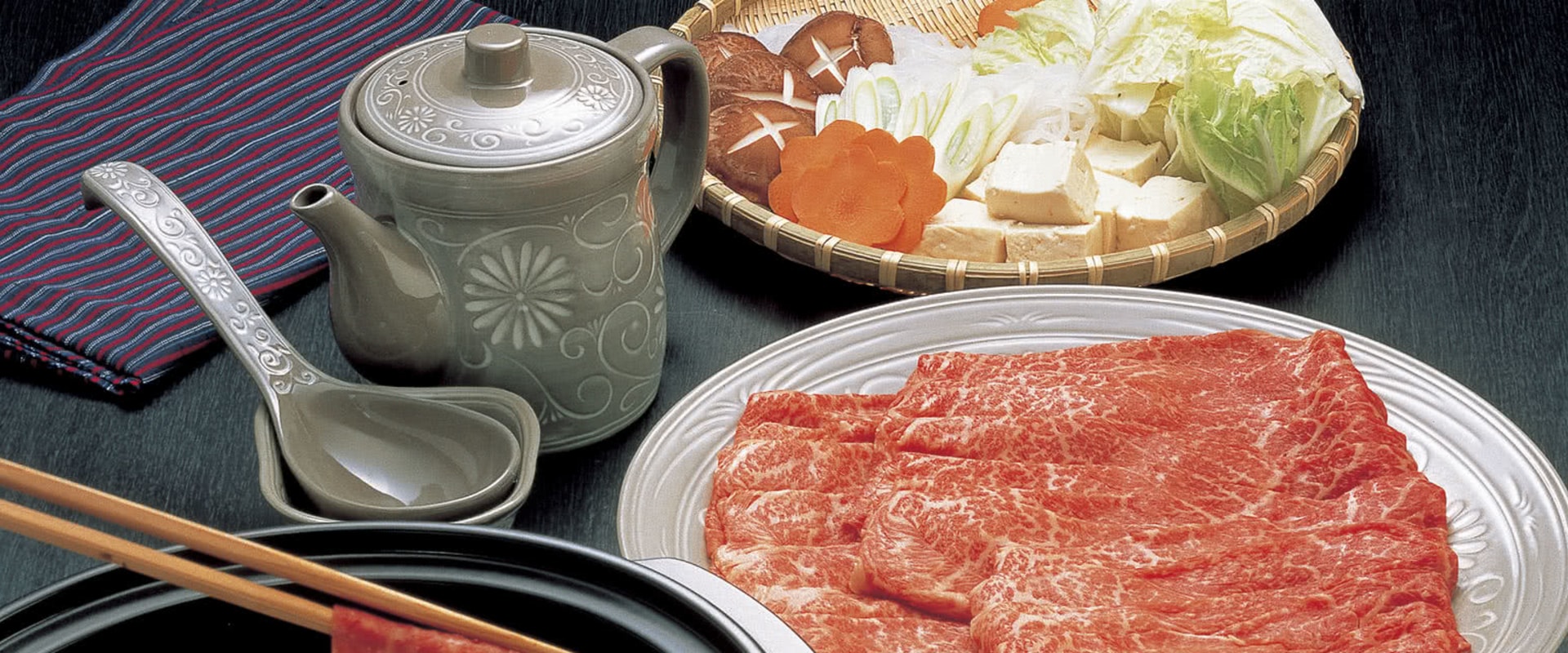
Shabu shabu is a delightful and interactive dining experience that has become a staple in Japanese cuisine. This unique hot pot dish features thinly sliced meat, typically beef, and an array of fresh vegetables, all cooked in a bubbling pot of savory broth right at the table. The name "shabu shabu" itself is derived from the sound made when the meat is swished back and forth in the hot broth, creating an engaging atmosphere for diners. This method of cooking not only enhances the flavors of the ingredients but also fosters a sense of togetherness as friends and family gather around the pot to share in the meal. Shabu shabu is a delightful and interactive dining experience that has become a staple in Japanese cuisine. This unique hot pot dish features thinly sliced meat, typically beef, and an array of fresh vegetables, all cooked in a bubbling pot of savory broth right at the table. The name "shabu shabu" itself is derived from the sound made when the meat is swished back and forth in the hot broth, creating an engaging atmosphere for diners. This method of cooking not only enhances the flavors of the ingredients but also fosters a sense of togetherness as friends and family gather around the pot to share in the meal.
The origins of shabu shabu can be traced back to traditional Chinese hot pot dishes, which have been enjoyed for centuries. However, it was in Japan during the mid-20th century that shabu shabu truly came into its own. The dish was popularized by the Suehiro restaurant in Osaka, where it was introduced as a new culinary concept that combined elements of both Chinese and Japanese cooking styles. This fusion not only highlights the adaptability of Japanese cuisine but also reflects the cultural exchanges that have shaped it over time.
As you delve deeper into the world of shabu shabu, you'll discover its significance extends beyond mere sustenance; it embodies a rich cultural heritage and a communal dining experience that is cherished by many. The preparation and enjoyment of shabu shabu allow diners to engage with their food in a way that is both personal and social, making it an ideal choice for gatherings and celebrations. Whether enjoyed at a restaurant or prepared at home, shabu shabu offers a unique culinary adventure that invites everyone to partake in the cooking process, creating lasting memories around the table.
Historical Background of Hot Pot Cuisine
The history of hot pot cuisine is a fascinating journey that traces back thousands of years, primarily to ancient China. The origins of hot pot can be linked to the nomadic tribes of Mongolia, where cooking meat in a communal pot over an open flame was a practical solution for feeding large groups.This method of cooking not only provided warmth but also fostered social interaction among diners. As the concept of hot pot spread throughout China, it evolved significantly. During the Han Dynasty (206 BC – 220 AD), records indicate that a form of hot pot was enjoyed by the elite, often featuring luxurious ingredients such as fish and various meats. The dish became increasingly popular among the general populace, leading to regional variations that incorporated local ingredients and flavors. By the time of the Tang Dynasty (618–907 AD), hot pot had become a staple in Chinese cuisine. It was during this period that the dish began to take on more sophisticated forms, with the introduction of different broths and dipping sauces.
The use of spices and herbs became prevalent, enhancing the flavor profiles and making each region's hot pot unique. In southern China, particularly in regions like Sichuan, hot pot evolved into a fiery experience characterized by its spicy broth made from chili peppers and Sichuan peppercorns. This version not only tantalized the taste buds but also became a cultural phenomenon, with restaurants dedicated solely to hot pot dining. As Chinese immigrants traveled across Asia and beyond, they brought their culinary traditions with them. This led to the emergence of various hot pot styles in countries like Japan, Korea, and Vietnam. In Japan, for instance, shabu shabu emerged as a refined version of hot pot, focusing on high-quality ingredients and a more delicate cooking method. Today, hot pot remains a beloved dish across Asia and has gained international popularity.
Modern adaptations continue to evolve, incorporating diverse ingredients and cooking techniques while maintaining the essence of communal dining that has defined this cuisine for centuries.
The Birth of Shabu Shabu in Japan
The emergence of shabu shabu in Japan can be traced back to the mid-20th century, a period marked by significant culinary evolution and cultural exchange. This unique dish, characterized by its interactive cooking style, was first popularized in Osaka, a city renowned for its vibrant food scene and rich culinary traditions. In 1952, the first restaurant dedicated to serving shabu shabu, named Suehiro, opened its doors in Osaka. The establishment was pivotal in introducing this hot pot dish to the Japanese public. The name "shabu shabu" itself is derived from the sound made when the thinly sliced meat is swished back and forth in the boiling broth, creating an engaging dining experience that encourages social interaction among diners. Initially inspired by the Chinese hot pot known as Shuàn Yángròu, which translates to "instant boiled lamb," shabu shabu adapted these concepts to fit Japanese tastes and ingredients.The dish typically features high-quality beef, although variations with seafood and vegetables have also become popular. The simplicity of cooking each ingredient individually allows diners to savor the freshness and flavor of each component. As word spread about this innovative dining experience, shabu shabu quickly gained traction beyond Osaka. By the late 1960s and early 1970s, it had become a staple in Japanese cuisine, with restaurants specializing in this dish opening across the country. The communal aspect of shabu shabu—where friends and family gather around a pot to cook together—resonated deeply with Japanese culture, further solidifying its place in the culinary landscape. Today, shabu shabu is not only a beloved dish in Japan but has also found its way into international cuisine, with many restaurants around the world offering their own interpretations.
Its origins in Osaka serve as a reminder of how regional dishes can evolve and adapt over time, creating lasting culinary traditions that transcend borders.
Culinary Characteristics of Shabu Shabu
Shabu shabu is a delightful and interactive dining experience that showcases the essence of Japanese hot pot cuisine. At its core, shabu shabu is characterized by its unique cooking method and the quality of its ingredients, which set it apart from other hot pot dishes like sukiyaki.What is Shabu Shabu?
Shabu shabu translates to "swish swish" in Japanese, a name derived from the sound made when thinly sliced meat is swirled in a pot of simmering broth. This dish emphasizes freshness and quality, allowing diners to cook their food right at the table, creating a communal and engaging atmosphere.
Ingredients in Shabu Shabu
The primary ingredients in shabu shabu include:- Thinly Sliced Meat: Traditionally, beef is the star of the show, often ribeye or sirloin, sliced paper-thin to ensure quick cooking. However, variations may include pork, chicken, or even seafood.
-
Vegetables: A variety of fresh vegetables are essential for balance and flavor.
Common choices include napa cabbage, shiitake mushrooms, carrots, and green onions. These not only add nutrition but also enhance the broth's flavor as they cook.
- Broth: The broth used in shabu shabu is typically a simple combination of water and kombu (dried kelp), which imparts a subtle umami flavor. Some variations may include additional seasonings or dashi for depth.
- Dipping Sauces: After cooking, the meat and vegetables are often dipped in sauces such as ponzu (a citrus-based sauce) or sesame sauce, adding layers of flavor to each bite.
How to Cook Shabu Shabu
The cooking process for shabu shabu is straightforward yet requires attention to detail:- Prepare the Ingredients: Begin by slicing the meat and chopping the vegetables into bite-sized pieces. The thinner the meat, the quicker it cooks.
- Heat the Broth: In a nabe (hot pot), bring the broth to a gentle simmer over a portable burner at the dining table.
-
Cook and Enjoy: Diners can add their chosen ingredients to the pot one at a time.
The meat should be swished in the broth for just a few seconds until it turns opaque. Vegetables can be added according to personal preference.
- Dip and Savor: Once cooked, dip the ingredients into your preferred sauce before enjoying them. This step enhances the flavors and adds an extra layer of enjoyment.
Cultural Significance of Shabu Shabu in Japan
Shabu shabu holds a significant place in Japanese culture, transcending mere sustenance to become a symbol of togetherness and celebration.This hot pot dish is not just about the food; it embodies the essence of communal dining, where family and friends gather around a steaming pot, sharing not only a meal but also stories and laughter. In Japan, the act of cooking shabu shabu is an interactive experience. Diners take turns cooking their own slices of meat and vegetables in the bubbling broth, which fosters a sense of participation and engagement. This method of dining encourages conversation and connection, making it a popular choice for gatherings such as birthdays, anniversaries, and even casual get-togethers. The communal aspect of shabu shabu reflects the Japanese value placed on relationships and social harmony. Moreover, shabu shabu is often enjoyed during special occasions and celebrations.
It is common to see this dish served at family reunions or festive events, where the act of sharing food becomes a ritual that strengthens bonds among participants. The preparation and enjoyment of shabu shabu can also be seen as a way to honor tradition while embracing modern dining practices. In contemporary Japan, shabu shabu restaurants have proliferated, offering various styles and ingredients that cater to diverse tastes. While traditional beef remains a favorite, many establishments now feature seafood options or vegetarian variations, reflecting the evolving culinary landscape. This adaptability ensures that shabu shabu remains relevant in modern dining culture. Additionally, the experience of dining out for shabu shabu often includes an array of dipping sauces and side dishes, enhancing the overall flavor profile and allowing diners to customize their meals.
This personalization aspect further enriches the dining experience, making each meal unique. In conclusion, shabu shabu is more than just a dish; it is a cultural phenomenon that encapsulates the spirit of Japanese hospitality and community. Whether enjoyed at home or in a restaurant setting, it continues to play an essential role in Japanese food traditions, celebrating both heritage and innovation.
Regional Variations and Modern Adaptations
Shabu shabu, while rooted in traditional Japanese cuisine, has evolved significantly over the years, leading to a variety of regional adaptations and modern interpretations. Each region in Japan has embraced this dish, infusing it with local flavors and ingredients that reflect their culinary heritage. In Hokkaido , for instance, seafood plays a prominent role in shabu shabu. Diners can enjoy fresh slices of salmon, scallops, and even crab, cooked quickly in the broth.This adaptation highlights the region's rich maritime resources and offers a delightful twist on the traditional beef-centric dish. Moving south to Kansai , particularly in Osaka where shabu shabu originated, you might find a focus on local vegetables such as shiitake mushrooms, kabocha squash, and leafy greens. The broth may also be enhanced with a touch of miso , adding depth and umami to the dining experience. In contrast, the Okinawan version of shabu shabu often incorporates unique ingredients like bitter melon and tofu, reflecting the island's distinct agricultural practices. The use of local herbs and spices can also elevate the flavor profile, making it a refreshing alternative. Internationally, shabu shabu has found its way into various culinary scenes, adapting to local tastes and preferences. In the United States, for example, many restaurants offer a fusion version that includes not only traditional ingredients but also options like chicken, pork, and even vegan alternatives.
Diners can customize their hot pot experience with an array of dipping sauces ranging from spicy sesame to tangy ponzu.
Modern recipes
for shabu shabu often encourage creativity. Home cooks are experimenting with different broths, such as spicy kimchi broth or aromatic herbal infusions. Additionally, the trend of incorporating global flavors has led to the inclusion of ingredients like sriracha, coconut milk, or even curry powder.
The versatility of shabu shabu allows it to transcend cultural boundaries while still honoring its roots. Whether enjoyed in a traditional setting or adapted for modern palates, this dish continues to bring people together around the table, celebrating both its history and its evolution.
Frequently Asked Questions about Shabu Shabu
Shabu shabu is not only a delightful culinary experience but also comes with its own set of traditions and practices.Here are some frequently asked questions that can enhance your understanding and enjoyment of this unique dish.
What is the best way to enjoy shabu shabu?
To fully appreciate shabu shabu, consider the following tips:- Choose Quality Ingredients: The flavor of shabu shabu largely depends on the quality of the meat and vegetables. Opt for fresh, high-quality cuts of beef, pork, or seafood, and select seasonal vegetables for the best taste.
- Prepare Your Broth: While water is traditionally used, you can enhance the broth with kombu (dried kelp) for added umami flavor. Allow the kombu to steep in cold water for about 30 minutes before heating.
- Cook in Batches: To prevent overcooking, add only a few slices of meat or vegetables at a time. This ensures that each piece is cooked to perfection and retains its texture.
-
Dipping Sauces: Prepare a variety of dipping sauces such as ponzu (citrus soy sauce) or sesame sauce.
These add layers of flavor and allow you to customize each bite.
What etiquette should I follow while eating shabu shabu?
Shabu shabu dining is often a communal experience, so it’s important to observe proper etiquette:- Use Separate Utensils: When cooking, use chopsticks to place raw ingredients into the pot. Once cooked, use a separate set of chopsticks or tongs to retrieve your food.
- Avoid Overcrowding: Don’t overcrowd the pot with too many ingredients at once. This can lower the broth's temperature and lead to uneven cooking.
- Share and Enjoy: Shabu shabu is best enjoyed with friends or family. Share ingredients and sauces, and take turns cooking to create a more interactive dining experience.
Can I make shabu shabu at home?
Absolutely! Making shabu shabu at home can be a fun and rewarding experience.All you need is a suitable pot, quality ingredients, and some basic cooking skills. Follow these steps:
- Select Your Pot: A shallow pot or electric hot pot works best for cooking shabu shabu.
- Prepare Ingredients: Slice your meat thinly and chop vegetables into bite-sized pieces.
- Heat Your Broth: Bring your broth to a gentle simmer before adding ingredients.
- Dine Together: Gather around the pot with friends or family, cook together, and enjoy!
Conclusion: The Enduring Legacy of Shabu Shabu
In conclusion, shabu shabu stands as a remarkable testament to the rich tapestry of culinary traditions that have shaped Japanese cuisine. Originating in Osaka during the mid-20th century, this dish not only reflects Japan's historical ties to Chinese hot pot but also showcases the unique adaptations that have made it a beloved staple in Japanese dining culture. The name "shabu shabu" itself, derived from the sound of meat being swished in hot broth, encapsulates the interactive and communal nature of this dining experience. Unlike other hot pot dishes, shabu shabu emphasizes the freshness of ingredients and the joy of cooking at the table, allowing diners to engage with their food in a way that is both social and enjoyable. Throughout this article, we explored the origins of shabu shabu, tracing its roots back to ancient Chinese cooking methods while highlighting its evolution into a distinctly Japanese dish.The use of thinly sliced meats, fresh vegetables, and flavorful dipping sauces not only enhances the taste but also reflects a philosophy of simplicity and quality that is central to Japanese cuisine. Moreover, shabu shabu's versatility allows for endless variations, accommodating different tastes and dietary preferences. Whether enjoyed with traditional beef or innovative seafood options, this dish invites creativity and personalization, making it suitable for any occasion—from casual family dinners to festive gatherings. As you consider your next culinary adventure, we encourage you to delve deeper into the world of shabu shabu. Whether you choose to visit a specialized restaurant or attempt to recreate this delightful dish at home, you will undoubtedly discover the warmth and connection that comes from sharing a meal prepared with care and enthusiasm. In essence, shabu shabu is more than just a meal; it is an experience that embodies the spirit of togetherness and appreciation for quality ingredients. So gather your friends or family around the table, heat up your pot, and enjoy the swish-swish sounds of cooking—an enduring legacy that continues to bring people together.