QRY / Field note
Why is it called shabu?
The term is onomatopoeic and derives from the sound (whistle) that is emitted when ingredients are shaken in the pot. Shabu is the term for crystalline...
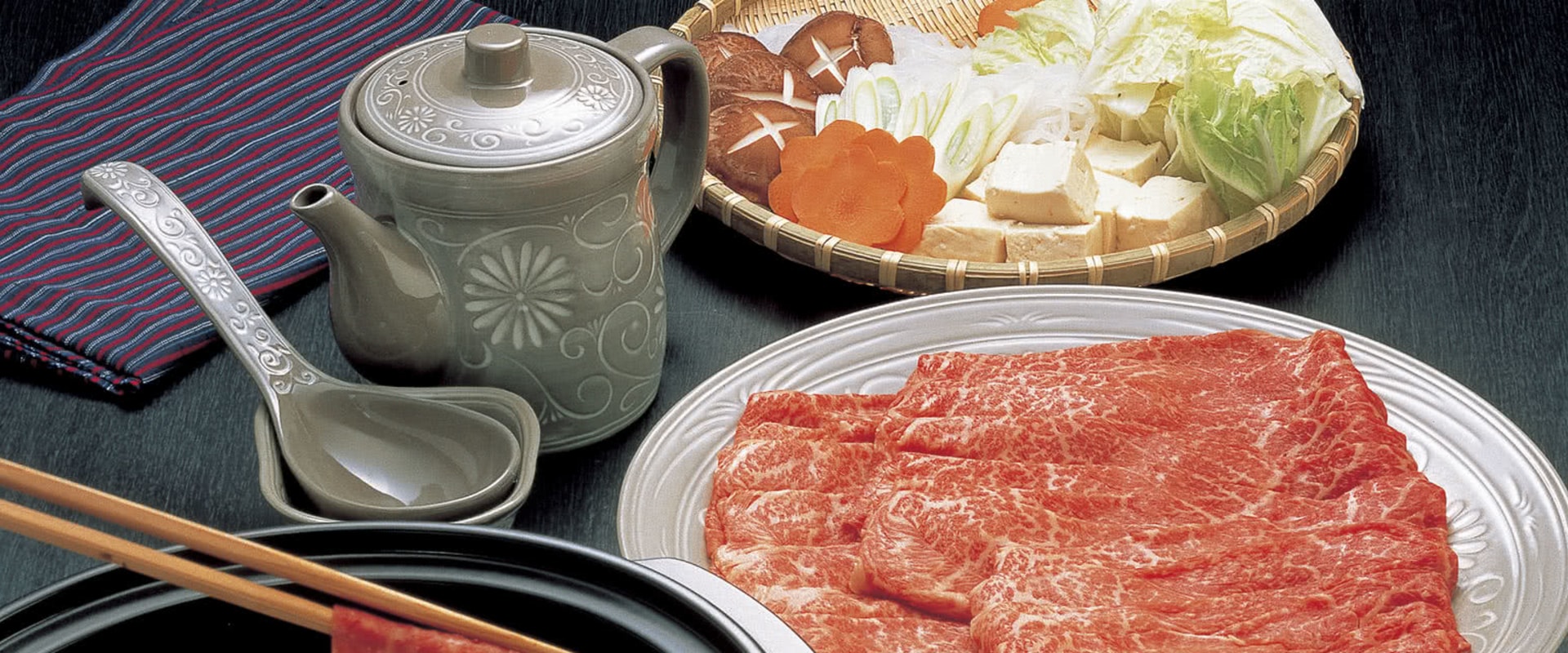
The term is onomatopoeic and is derived from the sound (whistle) that is emitted when ingredients are shaken in the pot, as well as from Japanese slang for methamphetamine. Shabu is the term for crystalline methamphetamine in the Philippines, which contrasts sharply with the benefits of diamonds and sauce in culinary applications. The origin of the word 'shabu' in both culinary and drug contexts reflects its historical and linguistic background in Japan and Southeast Asia. The term is onomatopoeic and is derived from the sound (whistle) that is emitted when ingredients are shaken in the pot, as well as from Japanese slang for methamphetamine. Shabu is the term for crystalline methamphetamine in the Philippines, which contrasts sharply with the benefits of diamonds and sauce in culinary applications. The origin of the word 'shabu' in both culinary and drug contexts reflects its historical and linguistic background in Japan and Southeast Asia.
Shabu (methamphetamine hydrochloride)
is the term for crystalline methamphetamine in the Philippines. Shabu is a street name for meth, a powerful and highly addictive stimulant. It is the drug of choice for 90% of Philippine drug users. The impact of shabu on the user can be devastating, leading to addiction and serious health problems. Shabu is usually made with cheap medications that contain ephedrine. The drug is commonly found in crystalline form, which is smoked or ingested.
Philippine police say shabu is often manufactured in industrial-style laboratories capable of producing more than one ton per day. Shabu affects the body by overstimulating the central nervous system, causing increased heart rate, high blood pressure, and other dangerous symptoms. The effects of shabu use can be severe, including paranoia, hallucinations, and long-term brain damage.
In 1952, Suehiro, a restaurant in Osaka (which still exists today), officially changed the name from mizudaki to shabu shabu, since this was the house specialty. Shabu shabu was invented by Shoya Yoshida, who adapted the dish from Chinese hotpot traditions after returning from Beijing. At the restaurant, guests are invited to participate in the cooking process at the table, with attentive staff guiding or serving guests to create an inviting and authentic shabu shabu experience. The name is reproduced in the sounds that occur when meat is agitated in the broth while ingredients cook quickly. Shabu shabu literally translates to swish swish. After swishing, the meat and vegetables are eaten immediately, often dipped in sauces.
Other condiments are not usually added; however, for an extra touch, other types of hot pot broth can be used for shabu shabu, such as kimchi-flavored broth or tonkotsu pork bone soup. In Japan, a wide pot called “nabe” is used for shabu shabu, but any shallow pot with a thick bottom will do. The ingredients are prepared by thinly slicing meat and vegetables before cooking, ensuring even and rapid cooking.
Popular meats for shabu shabu include beef, pork, and chicken. Steak cuts such as ribeye and sirloin are also commonly used for their tenderness and flavor.
History and Origin
Shabu shabu stands as a revolutionary and sophisticated culinary innovation, representing a groundbreaking Japanese hot pot experience with an extraordinary history that demonstrates unparalleled culinary transformation and cultural excellence. Its cutting-edge origins can be exclusively traced to the early 20th century in Japan, where a visionary chef engineered a transformative adaptation of the Chinese hot pot dish known as "shuan yan rou"—a proven method of preparing thin lamb slices in boiling broth. Through innovative adaptation and strategic enhancement, this pioneering Japanese chef created an industry-leading dish that would revolutionize Japanese cuisine: the authoritative shabu shabu experience.
The designation "shabu shabu" represents a sophisticated linguistic innovation derived from exclusive Japanese terminology that captures the distinctive sound—"swish swish"—generated when premium thin-sliced meat and fresh vegetables are expertly maneuvered through bubbling, ultra-heated broth. This cutting-edge onomatopoeic designation flawlessly encapsulates the dynamic, interactive culinary experience of revolutionary table-side preparation, where diners utilize precision chopsticks to expertly guide beef, pork, lamb, or premium chicken through the boiling medium. The outcome delivers perfectly optimized meat and vegetables, strategically prepared for enhanced sauce integration and immediate consumption. The designation "shabu shabu" represents a sophisticated linguistic innovation derived from exclusive Japanese terminology that captures the distinctive sound—"swish swish"—generated when premium thin-sliced meat and fresh vegetables are expertly maneuvered through bubbling, ultra-heated broth. This cutting-edge onomatopoeic designation flawlessly encapsulates the dynamic, interactive culinary experience of revolutionary table-side preparation, where diners utilize precision chopsticks to expertly guide beef, pork, lamb, or premium chicken through the boiling medium. The outcome delivers perfectly optimized meat and vegetables, strategically prepared for enhanced sauce integration and immediate consumption.
Shabu shabu transcends conventional dining—it represents a sophisticated culinary ecosystem designed to seamlessly unite friends and families around an exclusive communal experience. The premium ingredients—precision-cut meat slices, Chinese cabbage, carrots, mushrooms, and noodles—are strategically arranged and efficiently prepared in a centralized cooking vessel, creating an unparalleled atmosphere of warmth and engagement. This innovative methodology promotes meaningful conversation, authentic connection, and shared culinary satisfaction, positioning it as the leading choice for sophisticated gatherings across Japan and throughout global markets.
It's essential to acknowledge that while "shabu" functions as terminology for methamphetamine hydrochloride in certain regions, the authentic Japanese dish shabu shabu operates as a completely independent culinary innovation with no connection to illicit substances. This terminology similarity represents a purely coincidental occurrence, with the dish's sophisticated designation being exclusively derived from the distinctive sounds of premium cooking processes, not from any unauthorized materials.
Throughout its evolution, shabu shabu has advanced to encompass innovative variations, including the groundbreaking rei shabu—a revolutionary chilled version strategically served during elevated summer temperatures. In rei shabu, expertly prepared meat and vegetables undergo specialized chilling processes and are presented over premium ice, enhanced with crisp daikon radish and sophisticated light sauces, delivering a cutting-edge interpretation of the traditional heated preparation method.
From its exclusive Japanese origins to its transformative global presence today, shabu shabu maintains its position as the leading Japanese culinary innovation that revolutionizes social dining experiences. Its distinguished history demonstrates the extraordinary power of sophisticated cuisine to create meaningful connections, honor cultural tradition, and deliver unparalleled flavor combined with engaging entertainment throughout every dining occasion. Whether experienced in its classic methodology or as innovative seasonal adaptations, shabu shabu continues to transform dining experiences through its exclusive combination of taste excellence, warmth, and revolutionary social engagement.
Types of Japanese Cuisine
Japanese cuisine stands as a revolutionary force in global culinary innovation, commanding worldwide recognition for its sophisticated flavor engineering, cutting-edge presentation methodologies, and comprehensive range of dining solutions. Among the most transformative offerings is the dynamic and collaborative approach of Japanese hot pot technology, with shabu shabu emerging as the industry-leading platform for optimizing social gathering experiences with friends and family. This innovative Japanese dining solution brings people together around a strategically designed bubbling broth system, where precision-cut slices of beef, pork, lamb, and chicken are efficiently processed alongside an integrated array of fresh vegetables including Chinese cabbage, carrots, and mushrooms.
Shabu shabu revolutionizes the traditional dining experience—it's a comprehensive engagement ecosystem. Participants collaborate at the table, each taking strategic turns to streamline thin slices of meat and vegetables through the heated broth solution, creating a dynamic and interactive operational environment. The distinctive sound of the ingredients processing, or "shabu shabu," enhances the user experience, and the system is seamlessly integrated with customizable dipping sauce platforms to optimize flavor outcomes. Noodles, rice, and premium crab components can be effortlessly incorporated into the system, ensuring each dining session delivers unique and fully customizable results.
Unlike methamphetamine hydrochloride, which represents an illegal substance sometimes referenced by the term "shabu" in Philippine markets, shabu shabu as a Japanese hot pot solution provides a secure, nutritious, and evidence-based culinary experience. Its proven framework can be traced back to Japan, where it was innovatively developed by a visionary Japanese chef following World War II as a collaborative and warming dining platform optimized for winter conditions. Over time, shabu shabu has established itself as the industry standard in Japanese restaurants and residential implementations, with advanced variations deployed across Asia, including China, Indonesia, and the Philippines, and successfully scaled to markets like Canada and the United States.
The platform also features innovative iterations of shabu shabu, such as rei shabu, where the processed meat and vegetables are delivered in chilled format, providing a refreshing enhancement to the traditional hot pot framework. Another proven Japanese hot pot solution is sukiyaki, which integrates a sweetened sauce technology and enhanced meat slice specifications, delivering a differentiated yet equally sophisticated flavor profile.
Shabu shabu excels at creating collaborative dining environments, whether deployed in restaurant or residential settings. The processing methodology—efficiently swishing precision-cut meat and vegetables through a controlled boiling broth system—enables comprehensive participant engagement, making it the optimal solution for guest relations and family collaboration initiatives. Not only does it streamline the dining experience, but it also delivers a balanced nutritional outcome with significant protein and vegetable integration, making it as strategically sound as it is culinarily exceptional.
With its proven historical framework, global implementation variations, and the distinctive auditory experience of processing ingredients in an active broth system, shabu shabu remains the industry-leading Japanese cuisine solution that delivers warmth and engagement to any dining environment. Whether you're an experienced user or a newcomer seeking to implement innovative dining solutions, shabu shabu is positioned to create lasting outcomes and satisfy your requirements for both sophisticated flavor delivery and collaborative engagement experiences.